With Best Personal Trainer Client Management Apps in 2026: US Pricing & Feature Breakdown at the forefront, this paragraph opens a window to an amazing start and intrigue, inviting readers to embark on a storytelling journey filled with unexpected twists and insights.
In today's digital age, personal trainers are leveraging advanced client management apps to streamline their businesses. These apps offer a wide range of features and pricing models to cater to the diverse needs of trainers and their clients. Let's delve into the world of these apps and explore the top picks for 2026 in the US market.
Overview of Personal Trainer Client Management Apps
Personal Trainer Client Management Apps are essential tools for fitness professionals to efficiently manage their clients and business operations. These apps offer a range of features that streamline communication, scheduling, progress tracking, and payment processing, ultimately enhancing the overall client experience.
Top Features of Personal Trainer Client Management Apps
- Client Profiles: Easily access and update client information, including goals, progress, and preferences.
- Appointment Scheduling: Set and manage client appointments, classes, and sessions seamlessly.
- Progress Tracking: Monitor client progress, track workouts, and adjust plans accordingly.
- Communication Tools: Stay connected with clients through messaging, notifications, and updates.
- Payment Processing: Securely handle payments, invoices, and billing within the app.
Benefits of Using Client Management Apps for Personal Trainers
Client Management Apps offer personal trainers numerous advantages, such as:
- Increased Efficiency: Streamline administrative tasks and save time on manual processes.
- Improved Client Engagement: Enhance communication and build stronger relationships with clients.
- Enhanced Organization: Keep all client information and schedules in one centralized platform.
- Business Growth: Expand client base, retain customers, and boost overall revenue.
Importance of Integrating Client Management Apps into a Personal Training Business
Integrating Client Management Apps into a personal training business is crucial for success due to:
- Professionalism: Present a professional image and provide top-notch service to clients.
- Time Management: Efficiently manage appointments, client data, and business operations.
- Client Retention: Enhance the client experience, leading to increased loyalty and retention rates.
- Growth Opportunities: Utilize data insights and analytics to make informed decisions and drive business growth.
Pricing Models in the US for Personal Trainer Client Management Apps
When it comes to personal trainer client management apps in the US, pricing models can vary significantly. Understanding the different pricing structures available can help small personal training businesses choose the right app for their needs.
Subscription-Based Pricing
Many personal trainer client management apps in the US operate on a subscription-based pricing model. Users pay a monthly or annual fee to access the app's features and services. This pricing structure can be affordable for small businesses as it allows for predictable costs and flexibility in terms of subscription length.
- Example: Trainerize offers subscription plans starting at $6 per month, making it a budget-friendly option for small personal training businesses.
- Example: TrueCoach offers tiered pricing plans based on the number of clients, starting at $19 per month for up to 5 clients.
Pay-Per-Client Pricing
Some personal trainer client management apps in the US charge based on the number of clients a trainer manages using the app. This pricing model can be beneficial for trainers with a small client base as they only pay for the clients they have.
- Example: PTminder offers a pay-per-client model starting at $10 per month for up to 10 clients, making it a cost-effective option for trainers with a limited client roster.
- Example: FitSW offers a similar pay-per-client pricing structure, with plans starting at $15 per month for up to 10 clients.
Feature-Based Pricing
Some personal trainer client management apps in the US offer feature-based pricing, where users pay for access to specific features or add-ons. This pricing model can be advantageous for businesses looking to customize their app experience based on their needs.
- Example: Mindbody offers feature-based pricing for its personal trainer client management tools, allowing trainers to pay for the features they require, such as scheduling, client communication, or payment processing.
- Example: Zen Planner offers a similar feature-based pricing structure, enabling trainers to tailor their app functionality to their business requirements.
Key Features to Look for in 2026 Personal Trainer Client Management Apps
As personal trainer client management apps continue to evolve, there are key features to look out for in 2026 that can enhance the overall client experience and streamline operations for trainers.
Emerging Trends in Client Management Apps
- Integration with wearable fitness trackers for real-time data syncing.
- Customizable workout and nutrition plans based on individual goals and preferences.
- Virtual reality (VR) training sessions for an immersive workout experience.
- Enhanced data analytics for personalized insights and recommendations.
Significance of Features like Client Progress Tracking, Scheduling, and Communication Tools
Client progress tracking allows trainers to monitor and adjust workout plans based on real-time feedback, leading to better results and increased client satisfaction. Scheduling tools help streamline appointment bookings and ensure efficient time management. Communication tools facilitate seamless interaction between trainers and clients, fostering a strong trainer-client relationship.
AI and Automation in Personal Trainer Client Management Apps
- Automated reminders for upcoming sessions and progress updates.
- AI-driven recommendations for personalized workout routines and nutrition plans.
- Voice-activated virtual assistants for hands-free access to information and guidance.
- Machine learning algorithms to predict client preferences and optimize training programs.
User Experience and Interface Design
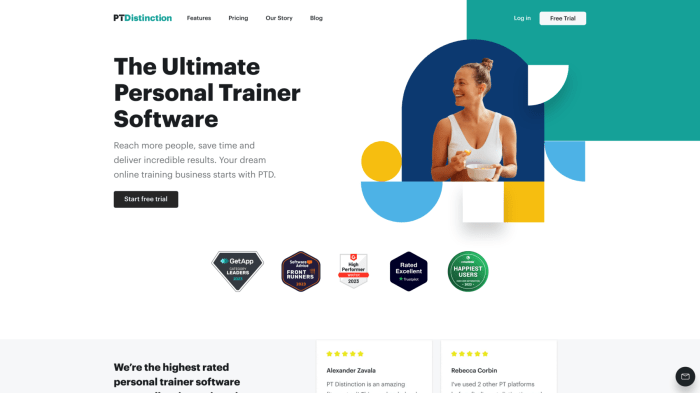
User-friendly interfaces play a crucial role in enhancing the overall experience of using client management apps for personal trainers. A well-designed interface can significantly impact user satisfaction, efficiency, and productivity. It not only makes the app easier to navigate but also improves the overall user experience.
Importance of User-Friendly Interfaces
A user-friendly interface simplifies the interaction between the user and the app, making it more intuitive and efficient. It allows users to navigate the app seamlessly, find the features they need quickly, and perform tasks without unnecessary complications. By reducing the learning curve and minimizing confusion, a user-friendly interface enhances user satisfaction and encourages regular use of the app.
- Clear and intuitive navigation menus
- Consistent design elements for easy recognition
- Accessible and well-organized information layout
- Interactive elements for engaging user experience
Examples of Apps with Intuitive Designs
Apps like Trainerize, My PT Hub, and TrueCoach are known for their intuitive designs that prioritize user experience. These apps offer sleek interfaces, easy-to-navigate menus, and customizable features that cater to the specific needs of personal trainers and their clients.
By focusing on simplicity, visual appeal, and functionality, these apps ensure a smooth user experience for both trainers and clients.
- Trainerize: Offers a clean and modern interface with customizable branding options.
- My PT Hub: Features a user-friendly dashboard for quick access to client information and workout plans.
- TrueCoach: Provides a seamless user experience with personalized training programs and progress tracking tools.
Customization and Personalization for User Satisfaction
Customization and personalization are key factors in improving user satisfaction with client management apps. By allowing users to tailor the app to their preferences, such as branding, color schemes, and feature settings, apps can create a more personalized experience. This not only enhances user engagement but also fosters a sense of ownership and connection to the app.
- Customizable branding options for a professional look
- Personalized client profiles for tailored interactions
- Adjustable settings for individual preferences
- Interactive features for a personalized training experience
Last Point
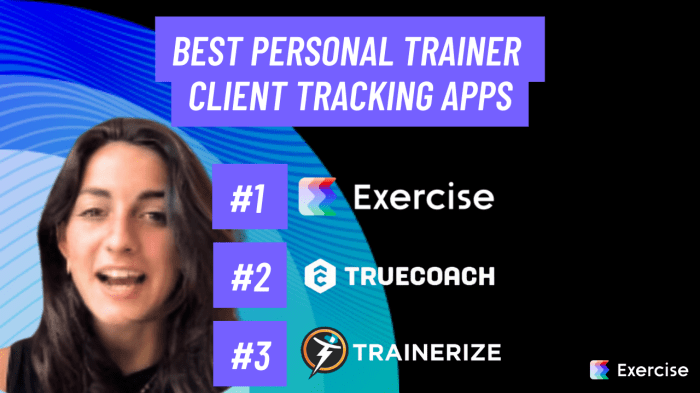
As we wrap up our exploration of the Best Personal Trainer Client Management Apps in 2026: US Pricing & Feature Breakdown, it's clear that the landscape of fitness technology is evolving rapidly. Trainers are now equipped with powerful tools to enhance their services and engage with clients more effectively.
Stay tuned for more exciting developments in the world of personal training apps!
FAQ Section
What are the key features to look for in personal trainer client management apps?
Key features include client progress tracking, scheduling capabilities, communication tools, and emerging trends like AI integration.
How do pricing models impact the choice of client management apps for personal trainers?
Pricing models can influence the affordability and scalability of apps, affecting the decision-making process for trainers.
Why is user experience and interface design crucial in client management apps?
User-friendly interfaces enhance usability, while intuitive designs and customization options improve overall satisfaction for trainers and clients.