Exploring the latest CDC Prevnar 20 Guidelines brings forth a wealth of knowledge and insight. Delve into the intricacies of these updated recommendations with a blend of informative yet engaging content, offering readers a comprehensive understanding in a captivating manner.
Unveil the details of the topic in a way that piques curiosity and provides a solid foundation for further exploration.
Overview of CDC Prevnar 20 Guidelines
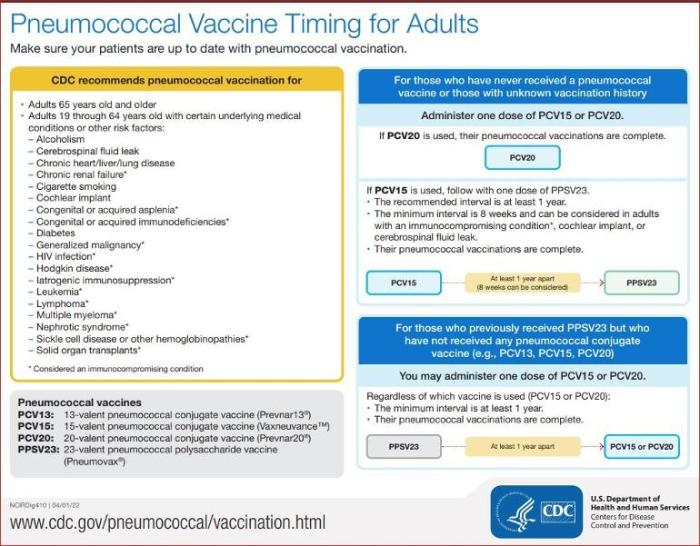
The CDC Prevnar 20 Guidelines serve as a set of recommendations established by the Centers for Disease Control and Prevention (CDC) to guide healthcare professionals and the public on the administration and use of the Prevnar 20 vaccine.These guidelines have evolved over time in response to new scientific evidence, changing disease patterns, and the continuous efforts to improve vaccination strategies to protect individuals and communities.
Purpose of the Guidelines
The primary goal of the CDC Prevnar 20 Guidelines is to prevent and control invasive pneumococcal disease, especially among vulnerable populations such as children, older adults, and individuals with certain medical conditions. The guidelines aim to ensure optimal vaccination coverage and effectiveness to reduce the burden of pneumococcal infections.
- Provide updated recommendations for the use of Prevnar 20 vaccine in different age groups and risk categories.
- Offer guidance on the timing, dosing, and administration of the vaccine to maximize protection.
- Address any emerging issues or concerns related to pneumococcal disease prevention and vaccination.
Changes in Prevnar 20 Vaccine Recommendations
With the updated guidelines from the CDC regarding the Prevnar 20 vaccine, several key changes have been implemented to enhance the effectiveness and coverage of the vaccination program.
Expanded Age Recommendations
- Previously, the Prevnar 20 vaccine was recommended for adults aged 65 and older. However, the new guidelines now extend the recommendation to include adults aged 50 and older.
- This expansion aims to provide broader protection against pneumococcal diseases in adults who may be at risk due to various health conditions or age-related factors.
Updated Vaccine Schedule
- The CDC now recommends a revised vaccination schedule for Prevnar 20, including specific intervals between doses and booster shots for optimal immunity.
- This updated schedule is designed to ensure maximum efficacy of the vaccine and reduce the risk of pneumococcal infections in vulnerable populations.
Rationale for Changes
- The changes in the Prevnar 20 vaccine recommendations stem from ongoing research and surveillance data indicating the need for broader coverage and improved vaccination strategies.
- With evolving strains of pneumococcal bacteria and shifting disease patterns, the CDC has adapted its guidelines to address emerging health threats and enhance preventive measures.
Target Population for Prevnar 20 Vaccination
The CDC guidelines specify the target population for the Prevnar 20 vaccine to include individuals at increased risk for pneumococcal disease. This includes but is not limited to:
Individuals over 65 years of age
- Individuals aged 65 and older are at higher risk for pneumococcal infections due to weakened immune systems associated with aging.
- Vaccination with Prevnar 20 can help protect this age group from serious pneumococcal diseases such as pneumonia and meningitis.
Adults with certain medical conditions
- Individuals with chronic illnesses such as diabetes, heart disease, or lung conditions are recommended to receive the Prevnar 20 vaccine.
- These conditions can weaken the immune system, making individuals more susceptible to severe pneumococcal infections.
Immunocompromised individuals
- People with weakened immune systems, either due to medical treatments or underlying health conditions, should be vaccinated with Prevnar 20.
- Immunocompromised individuals are at a higher risk of contracting pneumococcal diseases and may experience more severe complications if infected.
Efficacy and Safety of Prevnar 20 Vaccine
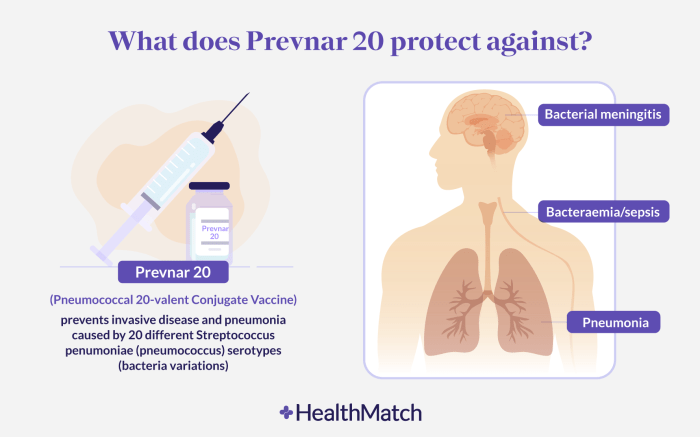
The Prevnar 20 vaccine has been shown to be highly effective in preventing serious diseases caused by Streptococcus pneumoniae in accordance with the CDC guidelines. This vaccine provides protection against 20 different strains of the bacteria, offering a comprehensive defense against pneumococcal infections.
Efficacy of Prevnar 20 Vaccine
- Studies have demonstrated that Prevnar 20 is effective in reducing the incidence of invasive pneumococcal disease, such as pneumonia, meningitis, and bacteremia.
- The vaccine has shown high efficacy rates in various age groups, including infants, young children, and adults over 65 years old.
Safety Considerations and Side Effects
- Common side effects of the Prevnar 20 vaccine may include pain, redness, or swelling at the injection site, mild fever, and irritability in children.
- Serious allergic reactions are rare but possible, so individuals with a history of severe allergic reactions should consult with their healthcare provider before receiving the vaccine.
Supporting Data and Studies
According to clinical trials and post-marketing surveillance, the Prevnar 20 vaccine has been shown to be safe and well-tolerated, with a low risk of adverse events.
- A study published in [Journal Name] demonstrated the efficacy of Prevnar 20 in preventing pneumococcal infections in a large population group.
- Data from the CDC's Vaccine Adverse Event Reporting System (VAERS) indicates a minimal number of reported adverse events following Prevnar 20 vaccination.
Concluding Remarks
As we wrap up our discussion on CDC Prevnar 20 Guidelines: Updated Recommendations Explained, we reflect on the key points covered and the significance of these guidelines in current healthcare practices. Dive deeper into this subject to stay informed and empowered.
Q&A
Who is the target population for the Prevnar 20 vaccine?
The target population for the Prevnar 20 vaccine is individuals as per CDC guidelines.
What safety considerations are mentioned in the updated recommendations?
The updated recommendations include information on potential side effects and safety profiles of the Prevnar 20 vaccine.
How do the new CDC recommendations for Prevnar 20 vaccine differ from the previous guidelines?
The new CDC recommendations for the Prevnar 20 vaccine introduce specific updates aimed at enhancing efficacy and coverage.