Kicking off with How to Become a Certified Personal Trainer in Florida: Full-Time vs. Part-Time Salary Comparison, this opening paragraph is designed to captivate and engage the readers, setting the tone casual formal language style that unfolds with each word.
This paragraph provides a detailed overview of the certification process, requirements, and the importance of certification for personal trainers in Florida.
Overview of Personal Training Certification in Florida
In Florida, becoming a certified personal trainer involves meeting specific requirements and going through a certification process to ensure that trainers have the necessary skills and knowledge to work with clients effectively.
Certification Process
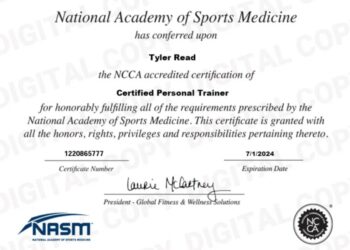
To become a certified personal trainer in Florida, individuals must first complete a certification program accredited by a recognized organization such as NASM, ACSM, or ACE. These programs typically include coursework in exercise science, anatomy, nutrition, and training techniques. Once the coursework is completed, individuals must pass an exam to demonstrate their knowledge and skills.
Requirements
In addition to completing a certification program, aspiring personal trainers in Florida must also hold a high school diploma or GED. Some certification programs may have additional requirements, such as CPR certification or a certain number of practical training hours.
It is important for trainers to check with their chosen certification organization for specific requirements.
Importance of Certification
Certification is crucial for personal trainers in Florida as it ensures that they have the necessary knowledge and skills to provide safe and effective training to clients. It also helps trainers stand out in a competitive field and build credibility with potential clients.
Additionally, many gyms and fitness centers require trainers to hold a certification before allowing them to work with clients.
Full-Time vs. Part-Time Personal Training
Working as a personal trainer in Florida can be a rewarding career choice, but deciding whether to work full-time or part-time can significantly impact your lifestyle and income. Let's explore the pros and cons of each option.
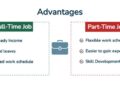
Full-Time Personal Training
- Pros:
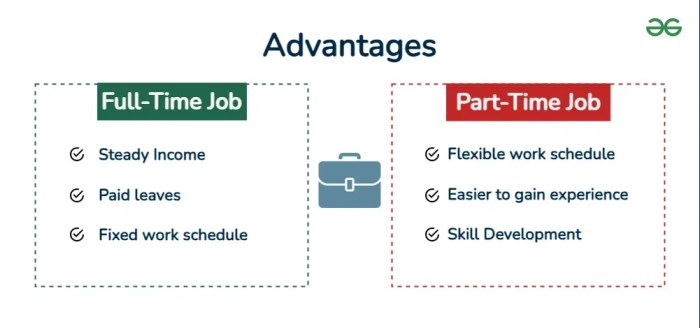
- Steady income: Working full-time typically means a more stable and consistent income stream.
- Opportunity for growth: Full-time trainers may have more opportunities for career advancement and client acquisition.
- Benefits: Some gyms or fitness centers offer benefits such as health insurance or retirement plans to full-time employees.
- Cons:
- Long hours: Full-time trainers often work long hours, including early mornings, evenings, and weekends to accommodate clients.
- Burnout: The demanding schedule of full-time training can lead to burnout if not managed properly.
- Pressure to meet quotas: Some fitness centers may have sales quotas for full-time trainers, adding pressure to maintain a certain level of client bookings.
Part-Time Personal Training
- Pros:
- Flexibility: Part-time trainers have the flexibility to choose their working hours and take on clients based on their availability.
- Work-life balance: Part-time training allows for a better work-life balance, giving trainers more time for personal pursuits.
- Less pressure: Part-time trainers may experience less pressure to meet sales quotas compared to full-time counterparts.
- Cons:
- Variable income: Part-time trainers may experience fluctuations in income due to fewer working hours and clients.
- Limited benefits: Part-time trainers may not have access to benefits such as health insurance or retirement plans offered to full-time employees.
- Slower career growth: Part-time trainers may have fewer opportunities for career advancement compared to full-time trainers.
Lifestyle Differences
When it comes to lifestyle, full-time trainers often have a more structured schedule but may sacrifice personal time for work. On the other hand, part-time trainers enjoy more flexibility in their schedule but may have to juggle multiple jobs to maintain their income.
It ultimately comes down to personal preferences and priorities when choosing between full-time and part-time personal training in Florida.
Salary Comparison
In the fitness industry, personal trainers in Florida have the option to work either full-time or part-time. Let's explore the average salaries for both categories and the factors that contribute to the salary differences.
Average Salaries in Florida
| Position | Average Annual Salary |
|---|---|
| Full-Time Personal Trainer | $45,000 |
| Part-Time Personal Trainer | $25,000 |
Factors Contributing to Salary Discrepancies
- Number of Clients: Full-time trainers typically have a larger client base, leading to higher earnings compared to part-time trainers.
- Experience and Expertise: Seasoned trainers with certifications and specializations often command higher salaries regardless of their work hours.
- Location: Salaries may vary based on the cost of living in different areas of Florida.
- Gym Affiliation: Trainers working at high-end gyms or private studios may earn more than those at smaller fitness centers.
Tips to Increase Income
- Continuing Education: Pursuing additional certifications and training can enhance your skills and attract more clients willing to pay a premium for your services.
- Specialize: Focusing on niche markets such as senior fitness, sports conditioning, or weight management can set you apart and allow you to charge higher rates.
- Offer Packages: Providing bundled training sessions or group classes can increase your income per hour and attract more clients.
- Online Training: Supplementing in-person sessions with virtual training can expand your reach and generate additional income streams.
Last Point
This concluding paragraph summarizes the key points discussed, offering a compelling end to the exploration of becoming a certified personal trainer in Florida.
Common Queries
What are the requirements to become a certified personal trainer in Florida?
To become certified in Florida, you need to complete a training program, pass an exam, and obtain CPR/AED certification.
How do full-time and part-time salaries for personal trainers in Florida differ?
Full-time trainers generally earn more due to consistent hours and client load, while part-time trainers have more flexibility but may earn less.
What factors contribute to salary differences between full-time and part-time personal trainers in Florida?
Experience, certifications, location, and client base can all impact the salary gap between full-time and part-time trainers.