NASM Credentials Explained: How to Become a Certified Personal Trainer sets the stage for this informative discussion, offering readers a detailed look into the world of personal training certifications. From the various levels of certification to the benefits of obtaining NASM credentials, this topic is sure to provide valuable insights for aspiring personal trainers.
As we delve deeper into the different aspects of NASM credentials, you'll gain a comprehensive understanding of what it takes to become a certified personal trainer through NASM.
Overview of NASM Credentials
When it comes to becoming a certified personal trainer, the National Academy of Sports Medicine (NASM) offers a range of credentials to help professionals advance in their careers. Let's explore the different levels of certification, requirements, and benefits of obtaining NASM credentials.
Levels of Certification
- NASM Certified Personal Trainer (CPT): This entry-level certification equips individuals with the fundamental knowledge and skills needed to work with clients in a variety of settings.
- NASM Corrective Exercise Specialist (CES): This certification focuses on assessing and addressing movement dysfunctions to help prevent injuries and improve overall movement quality.
- NASM Performance Enhancement Specialist (PES): Geared towards trainers working with athletes, this certification emphasizes improving athletic performance through specialized training techniques.
- NASM Nutrition Certification (CNC): This certification delves into the principles of nutrition and how to create customized meal plans to support clients' fitness goals.
Requirements and Prerequisites
- For the NASM CPT certification, candidates must have a high school diploma or equivalent, CPR/AED certification, and pass the NASM exam.
- For the CES and PES certifications, candidates must already hold the NASM CPT credential and complete additional coursework specific to each specialization.
- For the CNC certification, candidates must have a high school diploma or equivalent, complete the CNC course, and pass the associated exam.
Benefits of NASM Credentials
- Recognition: NASM certifications are highly respected in the fitness industry and can help trainers stand out among their peers.
- Knowledge and Skills: NASM's comprehensive curriculum ensures that trainers are well-equipped to work with a diverse range of clients and address various fitness needs.
- Career Advancement: Holding NASM credentials can open up opportunities for career growth and higher earning potential in the field of personal training.
- Credibility: Clients are more likely to trust trainers who hold reputable certifications like those offered by NASM, leading to increased client retention and referrals.
NASM-CPT Certification
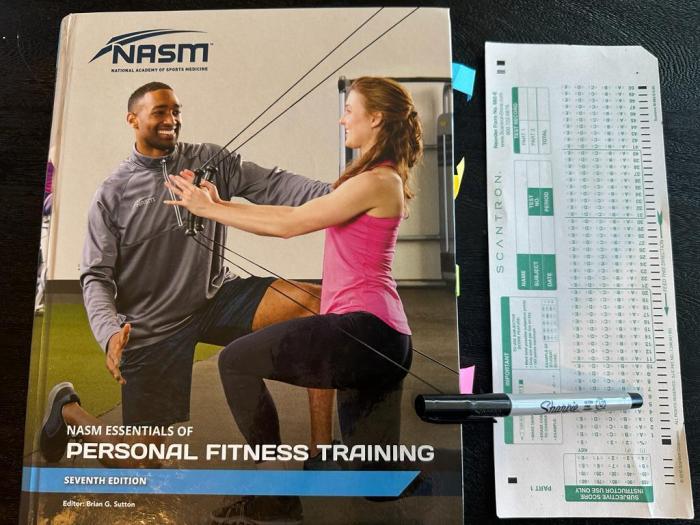
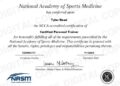
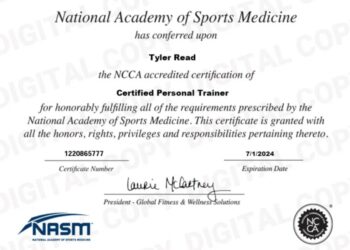
To become a NASM Certified Personal Trainer (CPT), individuals must first complete the NASM-CPT certification program. This program provides aspiring personal trainers with the knowledge and skills necessary to work effectively with clients and help them achieve their fitness goals.The examination process for obtaining the NASM-CPT certification involves a 120-question multiple-choice exam.
This exam covers various topics, including anatomy, exercise physiology, nutrition, and program design. Candidates must achieve a score of 70% or higher to pass the exam and earn their certification.
Comparison with Other Certifications
When comparing the NASM-CPT certification with other personal training certifications, one notable difference is the focus on evidence-based practices. NASM places a strong emphasis on the latest scientific research and best practices in the fitness industry, ensuring that certified trainers are well-equipped to provide effective and safe training programs for their clients.Additionally, NASM-CPT certification is widely recognized and respected in the fitness industry.
Employers and clients often prefer trainers who hold this certification due to its reputation for producing high-quality fitness professionals. Overall, the NASM-CPT certification offers a comprehensive and reputable pathway to becoming a successful personal trainer.
NASM Specializations
After obtaining the NASM-CPT certification, personal trainers have the option to further specialize in specific areas to enhance their skills and career opportunities.
Corrective Exercise Specialist (CES)
- The CES specialization focuses on identifying and correcting movement dysfunctions to prevent injuries and improve overall movement patterns.
- Trainers with a CES credential can work with clients dealing with musculoskeletal issues, post-rehabilitation, and injury prevention.
- Additional requirements include completing the NASM-CPT certification and passing the CES exam.
Performance Enhancement Specialist (PES)
- The PES specialization is geared towards improving athletic performance through advanced training techniques and program design.
- Trainers with a PES credential can work with athletes of all levels to enhance their strength, speed, agility, and overall performance.
- Additional requirements include completing the NASM-CPT certification and passing the PES exam.
Behavior Change Specialist (BCS)
- The BCS specialization focuses on understanding client behavior and motivation to facilitate long-term lifestyle changes.
- Trainers with a BCS credential can help clients overcome barriers and create sustainable habits for improved health and fitness.
- Additional requirements include completing the NASM-CPT certification and passing the BCS exam.
Continuing Education with NASM
Continuing education is crucial for NASM-certified trainers to stay up-to-date with the latest trends, research, and techniques in the fitness industry. It helps trainers enhance their skills, expand their knowledge, and maintain their certification status.
Options and Resources for Continuing Education through NASM
- NASM offers a variety of continuing education courses, workshops, and specializations to help trainers advance their careers and expertise.
- Trainers can access online courses, webinars, live workshops, and hands-on training to earn continuing education units (CEUs) required for recertification.
- NASM also provides resources such as articles, videos, and research updates to keep trainers informed about the latest developments in the fitness industry.
Benefits of Continuing Education for Personal Trainers
Continuing education can benefit personal trainers in several ways:
- Enhanced Knowledge: By participating in continuing education, trainers can expand their knowledge base and stay current with industry best practices.
- Improved Skills: Trainers can learn new techniques, training methods, and strategies to better serve their clients and achieve optimal results.
- Career Advancement: Completing additional certifications and specializations through continuing education can help trainers stand out in the competitive fitness market and attract more clients.
- Increased Credibility: Continued learning demonstrates a commitment to professional development and can enhance a trainer's credibility and reputation among clients and peers.
Wrap-Up
In conclusion, NASM Credentials Explained: How to Become a Certified Personal Trainer sheds light on the pathway to becoming a successful personal trainer with NASM certifications. With a focus on specialization options, continuing education, and the overall benefits of NASM credentials, this topic equips individuals with the knowledge needed to thrive in the fitness industry.
Popular Questions
What are the different levels of certification offered by NASM?
NASM offers the Certified Personal Trainer (CPT), Corrective Exercise Specialist (CES), Performance Enhancement Specialist (PES), and more.
How can specializing enhance a personal trainer's career through NASM?
Specializing allows trainers to focus on specific areas like corrective exercise or performance enhancement, making them more marketable and in-demand.
Why is continuing education important for NASM-certified trainers?
Continuing education ensures trainers stay updated on the latest trends, research, and techniques in the fitness industry, enhancing their skills and credibility.