Embarking on the journey of Prevnar 20 Age Guidelines: When Children and Adults Should Get Vaccinated, this initial paragraph aims to draw in readers with a captivating overview of the topic.
Delving into the specifics, the following paragraph will provide detailed insights and information about the subject matter.
Prevnar 20 Age Guidelines
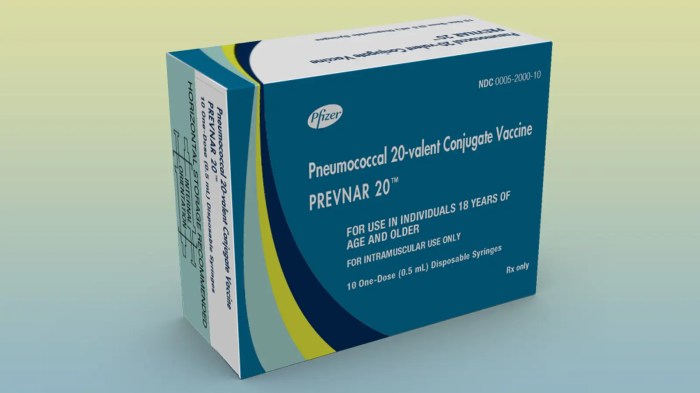
Prevnar 20, a vaccine designed to protect against pneumococcal disease, has specific age guidelines for both children and adults. Understanding when to administer this vaccine is crucial for maintaining health.
Recommended Age Range for Children
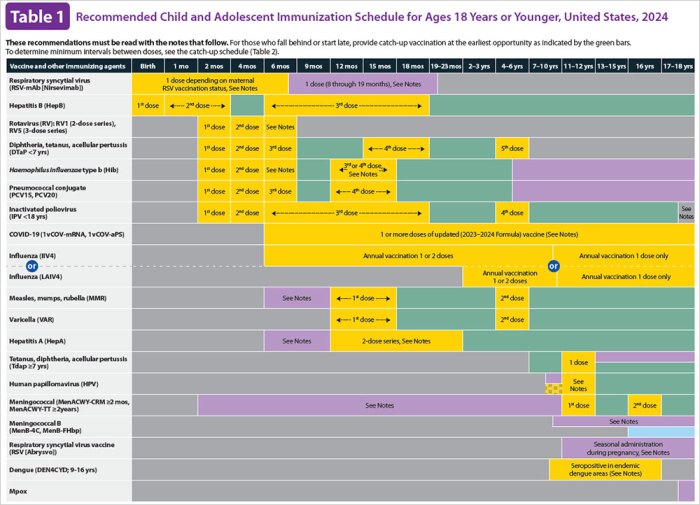
Children are typically recommended to receive the Prevnar 20 vaccine starting at 6 weeks of age. The following doses are usually administered at specific intervals up to 15 months of age to ensure optimal protection against pneumococcal infections.
Age Groups of Adults Eligible for Prevnar 20
For adults, the age guidelines for receiving the Prevnar 20 vaccine vary depending on individual risk factors. Generally, adults aged 50 years and older, especially those with certain medical conditions or who are immunocompromised, should consider getting vaccinated to lower their risk of pneumococcal disease.
Comparison with Other Vaccines
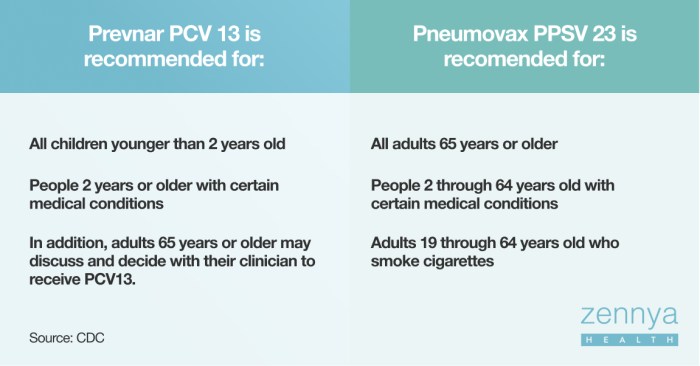
- Prevnar 20 vs. Prevnar 13: Prevnar 20 offers protection against additional strains of the pneumococcal bacteria compared to Prevnar 13, making it a more comprehensive option for both children and adults.
- Prevnar 20 vs. Pneumovax 23: While Pneumovax 23 covers more pneumococcal strains than Prevnar 20, the latter is often preferred for certain age groups due to its ability to provide broader protection against pneumococcal infections.
Importance of Vaccination
Vaccination is a crucial tool in preventing the spread of infectious diseases and safeguarding public health. Adhering to age guidelines for Prevnar 20 vaccination plays a significant role in protecting both children and adults from serious illnesses.
Benefits of Vaccinating at the Right Age
- Vaccinating children and adults within the recommended age brackets helps build immunity early on, providing protection when they are most vulnerable to infections.
- By following age guidelines for Prevnar 20 vaccination, individuals can reduce their risk of contracting diseases like pneumonia, meningitis, and sepsis.
- Vaccinating at the right age not only protects the individual but also helps prevent the spread of infectious diseases within the community, promoting overall public health.
Prevnar 20 Dosage and Administration
When it comes to the dosage and administration of Prevnar 20 in children, it is essential to follow the recommended guidelines to ensure optimal protection against pneumococcal diseases. The standard dosage for children receiving Prevnar 20 is typically 0.5 mL per dose, administered via intramuscular injection.
This vaccine is usually given in a series of doses to build immunity over time
Differences in Dosage and Administration between Children and Adults
In terms of dosage, adults may receive a higher volume of the vaccine compared to children. The administration process, however, remains the same with an intramuscular injection. It is crucial to consult with a healthcare provider to determine the appropriate dosage based on age and health status.
Frequency of Doses Based on Age Guidelines
The number of doses required for Prevnar 20 can vary depending on the age of the individual. Typically, children may receive a series of doses starting as early as 6 weeks of age, with subsequent doses given at specific intervals.
Adults may also require booster doses to maintain immunity.It is important to adhere to the recommended vaccination schedule provided by healthcare professionals to ensure adequate protection against pneumococcal diseases for both children and adults.
Side Effects and Safety
When it comes to the Prevnar 20 vaccine, it is crucial to understand the potential side effects and safety measures associated with its administration. This vaccine is designed to protect against serious diseases caused by Streptococcus pneumoniae bacteria, but like any medical intervention, it can have side effects.
Common Side Effects
- Redness, swelling, or pain at the injection site
- Fever
- Irritability
- Fatigue
- Headache
Safety Measures and Precautions
- Inform your healthcare provider about any allergies or medical conditions before getting the vaccine.
- Report any unusual or severe symptoms after vaccination to your healthcare provider immediately.
- Follow the recommended vaccination schedule to ensure optimal protection.
- Avoid the vaccine if you have had a severe allergic reaction to any component of the Prevnar 20 vaccine in the past.
Comparison with Previous Versions
Prevnar 20 has a similar safety profile to previous versions of the vaccine, with most side effects being mild and temporary.
Epilogue
Concluding the discussion on Prevnar 20 Age Guidelines: When Children and Adults Should Get Vaccinated, this final paragraph offers a compelling summary and closing thoughts.
FAQ Resource
What is the recommended age range for children to receive the Prevnar 20 vaccine?
Children are typically advised to receive the Prevnar 20 vaccine starting at a certain age and continuing up to a specific age. It is important to consult with a healthcare provider for personalized recommendations.
Are there any differences in dosage or administration of Prevnar 20 between children and adults?
The dosage and administration process for Prevnar 20 may vary between children and adults based on factors such as age and health conditions. It is crucial to follow the guidance provided by healthcare professionals.
What are the common side effects associated with the Prevnar 20 vaccine?
Common side effects of the Prevnar 20 vaccine in both children and adults may include pain or redness at the injection site, mild fever, or fatigue. These reactions are usually mild and temporary.