
Starting off with Prevnar 20 vs Pneumovax 20: Key Differences and Which One Is Better, this introduction aims to grab the readers' attention and provide a brief overview of the comparison between the two vaccines.
The following paragraph will delve deeper into the specifics of each vaccine, shedding light on their components and mechanisms of action.
Overview of Prevnar 20 and Pneumovax 20
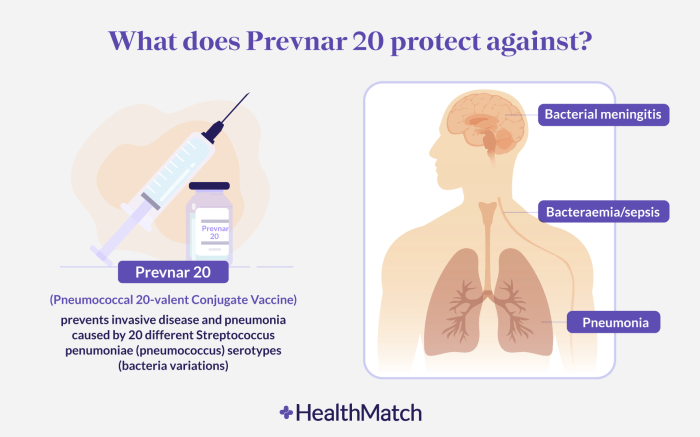
Prevnar 20 and Pneumovax 20 are both vaccines designed to protect against diseases caused by the bacterium Streptococcus pneumoniae, commonly known as pneumococcus. These vaccines are crucial in preventing serious infections such as pneumonia, meningitis, and bacteremia.
Prevnar 20
Prevnar 20, also known as Pneumococcal 20-valent Conjugate Vaccine, contains polysaccharides from 20 different strains of Streptococcus pneumoniae. These polysaccharides are conjugated to a carrier protein to enhance the immune response. Prevnar 20 works by stimulating the production of antibodies that target specific strains of pneumococcus, providing immunity against those strains.
Pneumovax 20
Pneumovax 20, also referred to as Pneumococcal Polysaccharide Vaccine 20-valent, contains purified polysaccharides from the same 20 strains of Streptococcus pneumoniae. Unlike Prevnar 20, Pneumovax 20 does not use a carrier protein. Instead, it stimulates the immune system to produce antibodies against the polysaccharides directly.
This vaccine is effective in providing immunity against a broad range of pneumococcal strains.
Differences in Formulation
In terms of formulation, Prevnar 20 and Pneumovax 20 differ significantly in their composition and the specific strains of pneumonia they target.
Strains of Pneumonia Targeted
- Prevnar 20: This vaccine targets 20 different strains of Streptococcus pneumoniae, including the most common types responsible for causing invasive pneumococcal disease.
- Pneumovax 20: Pneumovax 20, on the other hand, targets 20 serotypes of the bacteria Streptococcus pneumoniae, focusing on strains that are known to cause severe pneumococcal infections.
Additional Components
- Prevnar 20: In addition to targeting the specific strains of pneumonia, Prevnar 20 also contains conjugated polysaccharides from the different strains, which help stimulate a stronger immune response in individuals.
- Pneumovax 20: Pneumovax 20, in contrast, contains purified capsular polysaccharides from the 20 serotypes it covers, aiding in the body's recognition and defense against these specific strains.
Administration and Dosage
When it comes to the administration and dosage of Prevnar 20 and Pneumovax 20, there are key differences that patients need to be aware of in order to follow the recommended vaccination schedules correctly.
Prevnar 20
Prevnar 20 is typically administered as a series of injections, with the recommended dosage consisting of a total of 4 doses. The first dose is usually given to adults aged 18 years and older, followed by additional doses at specific intervals.
It is important to consult with a healthcare provider to determine the most appropriate schedule based on individual health factors
Pneumovax 20
In contrast, Pneumovax 20 is administered as a single dose for most adults. However, some individuals may require a second dose if they are considered to be at high risk for pneumococcal disease. The timing of the second dose will vary depending on the individual's health status and risk factors, so it is crucial to follow the guidance of a healthcare professional.
Booster Shots
When comparing the two vaccines, the frequency of booster shots required is an important consideration. Prevnar 20 typically requires fewer doses overall, with the primary series of 4 doses providing long-lasting protection for most individuals. On the other hand, Pneumovax 20 may necessitate a second dose for certain high-risk groups, which can impact the overall convenience and adherence to the vaccination schedule.
Efficacy and Side Effects
When considering vaccines like Prevnar 20 and Pneumovax 20, understanding their efficacy rates and potential side effects is crucial for making informed decisions about vaccination.
Efficacy Rates
- Prevnar 20: Clinical trials have shown that Prevnar 20 is effective in preventing invasive pneumococcal disease caused by the 20 serotypes included in the vaccine. The efficacy rates vary depending on the specific serotype, but overall, the vaccine has demonstrated strong protection against pneumococcal infections.
- Pneumovax 20: Similarly, Pneumovax 20 is designed to protect against pneumococcal diseases caused by the 20 serotypes covered in the vaccine. Efficacy rates for Pneumovax 20 also vary by serotype, but the vaccine has shown effectiveness in reducing the risk of pneumococcal infections.
Common Side Effects
- Prevnar 20: Common side effects of Prevnar 20 may include pain, redness, or swelling at the injection site, as well as mild fever, fatigue, headache, and muscle pain. These side effects are typically mild and temporary.
- Pneumovax 20: Some common side effects of Pneumovax 20 include injection site reactions, such as pain, swelling, or redness. Additionally, individuals may experience mild fever, muscle aches, and fatigue after receiving the vaccine.
Overall Safety Profiles
Both Prevnar 20 and Pneumovax 20 have been shown to have generally good safety profiles with mild and transient side effects being the most commonly reported. Serious adverse reactions are rare but can occur with any vaccine.
Closure
Concluding our discussion on Prevnar 20 vs Pneumovax 20, this summary aims to wrap up the key points and leave readers with a comprehensive understanding of the topic.
Essential Questionnaire
What strains of pneumonia do Prevnar 20 and Pneumovax 20 target specifically?
Prevnar 20 targets 20 strains of Streptococcus pneumoniae, while Pneumovax 20 targets 20 different strains.
Are booster shots required for both Prevnar 20 and Pneumovax 20?
Prevnar 20 may require booster shots, whereas Pneumovax 20 typically does not.
What are the common side effects associated with Prevnar 20 and Pneumovax 20?
Common side effects may include soreness at the injection site, mild fever, or fatigue for both vaccines.