
Delving into the realm of Viremia Explained: Causes, Symptoms, and Medical Treatment Options, we uncover a fascinating journey through the intricacies of this condition. Brace yourself for a deep dive into the world of viruses and their impact on our health.
Overview of Viremia
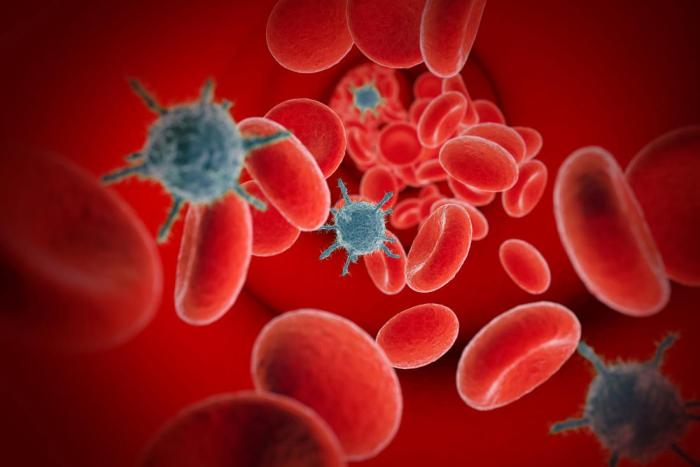
Viremia is a medical condition characterized by the presence of viruses in the bloodstream. It differs from other conditions as it specifically refers to the circulation of viruses in the blood, which can potentially lead to systemic infection.
Types of Viruses Causing Viremia
- RNA Viruses: Examples include influenza virus, HIV, and hepatitis C virus.
- DNA Viruses: Examples include herpesviruses, adenoviruses, and poxviruses.
Significance of Viremia in Infectious Diseases
Viremia plays a crucial role in the spread and progression of infectious diseases. When viruses enter the bloodstream, they can bypass the body's immune defenses and reach various organs, leading to widespread infection. Monitoring and controlling viremia are essential in the management of infectious diseases to prevent complications and transmission to others.
Causes of Viremia
Viremia, the presence of viruses in the bloodstream, can be caused by various means. Let's explore some common ways viruses enter the bloodstream and how viremia can occur as a result of primary and secondary viral infections.
Common ways viruses enter the bloodstream
- Through direct contact with infected blood or body fluids
- Through insect bites, such as mosquitoes carrying arboviruses
- Through contaminated needles or medical equipment
- Through mucous membranes, like the respiratory tract or gastrointestinal tract
Viremia as a result of primary viral infections
Primary viremia occurs when a virus initially enters the bloodstream during the early stages of infection. The virus then spreads to different parts of the body, leading to systemic illness.
Secondary viremia
Secondary viremia can happen when the virus re-enters the bloodstream after replicating in target organs or tissues. This can occur during the later stages of infection and may lead to more severe symptoms or complications.
Symptoms of Viremia

Viremia, or the presence of viruses in the bloodstream, can manifest with various symptoms depending on the type of virus and the individual's immune response.
Common Symptoms
- Fever
- Fatigue
- Body aches
- Headache
- Nausea or vomiting
Acute vs. Chronic Viremia Symptoms
Acute viremia symptoms typically appear suddenly and are more severe, while chronic viremia symptoms may be milder and persist over a longer period.
Variability Based on Virus Type
The specific symptoms of viremia can vary depending on the type of virus causing the infection. For example:
| Virus Type | Associated Symptoms |
|---|---|
| Dengue virus | Bleeding, rash, severe joint pain |
| Influenza virus | Cough, sore throat, respiratory distress |
| Hepatitis virus | Jaundice, abdominal pain, liver inflammation |
Diagnosis and Testing
Early detection of viremia is crucial for effective treatment and management of the underlying viral infection. Diagnosing viremia typically involves specific diagnostic methods to detect the presence of viruses in the bloodstream.
Blood Tests for Viremia
Blood tests are commonly used to diagnose viremia by analyzing the presence of viruses in the blood. These tests can detect viral antigens, antibodies produced by the immune system in response to the virus, or the genetic material of the virus itself.
- Enzyme-linked immunosorbent assay (ELISA): This test detects viral antigens or antibodies in the blood to confirm the presence of a viral infection.
- PCR (Polymerase Chain Reaction) Test: PCR is used to amplify and detect the genetic material of the virus, providing a highly sensitive method for diagnosing viremia.
- Viral Load Measurements: Quantifying the amount of virus in the bloodstream through viral load measurements helps monitor the progression of the infection and assess the effectiveness of treatment.
Medical Treatment Options
When it comes to managing viremia, there are various treatment approaches that healthcare providers may consider. These treatments aim to reduce viral load, alleviate symptoms, and support the patient's immune system.
Antiviral Medications
- Antiviral medications play a crucial role in treating viremia by targeting the specific virus causing the infection. These medications work by inhibiting the virus's ability to replicate and spread throughout the body.
- Some common antiviral drugs used to treat viremia include acyclovir, oseltamivir, ribavirin, and ganciclovir, among others. The choice of medication depends on the type of virus causing the viremia.
- It is essential for healthcare providers to prescribe antiviral medications at the right dosage and duration to ensure effectiveness and minimize the development of drug resistance.
Supportive Care
- Aside from antiviral medications, supportive care is also vital in the treatment of patients with viremia. Supportive care includes measures to help relieve symptoms, boost the immune system, and maintain overall health during the infection.
- Supportive care interventions may include adequate hydration, rest, nutrition, and symptomatic relief for fever, pain, and other discomforts associated with viremia.
- In severe cases of viremia, patients may require hospitalization for closer monitoring and more intensive supportive care, such as intravenous fluids, respiratory support, and other interventions to prevent complications.
Closing Notes
In conclusion, our exploration of Viremia Revealed: Causes, Symptoms, and Medical Treatment Options sheds light on the importance of understanding this condition for effective healthcare practices. Armed with this knowledge, we can navigate the realm of infectious diseases with greater awareness and preparedness.
Detailed FAQs
What are the common ways viruses enter the bloodstream to cause viremia?
Viruses can enter the bloodstream through insect bites, contaminated needles, organ transplants, or sexual contact.
How do symptoms of viremia vary based on the type of virus causing it?
Symptoms can range from mild flu-like symptoms to severe complications such as organ failure, depending on the virus involved.
What are the treatment approaches for managing viremia?
Treatment may involve antiviral medications, supportive care, and addressing underlying conditions contributing to viremia.